
Fall Septic Maintenance Checklist for Michigan Homes Before the Ground Freezes
As the leaves begin to fall and temperatures drop, many Michigan homeowners start preparing their homes for winter. Gutters get cleaned, firewood gets stacked, and furnaces get serviced—but one important system is often overlooked: your septic system.
Fall is the ideal time to perform routine septic maintenance. Taking a few preventative steps before the ground freezes can help you avoid inconvenient backups, costly repairs, and emergency service during the coldest months of the year.
Here's a simple checklist to help keep your septic system working properly all winter long.
1. Schedule a Septic Inspection
The best way to prevent unexpected problems is with a professional inspection.
A septic inspection can identify issues such as:
- Early signs of drain field failure
- Damaged or aging components
- Leaks or cracks in the tank
- Signs the system may need pumping
- Potential drainage concerns
Finding these issues in the fall gives you time to make repairs before frozen ground makes excavation more difficult.
2. Have Your Septic Tank Pumped If It's Due
One of the most important parts of septic maintenance is regular pumping.
Most residential septic tanks should be pumped every 3–5 years, depending on:
- Household size
- Water usage
- Tank size
- Garbage disposal use
Waiting too long allows solids to build up, increasing the risk of backups and damage to your drain field.
If you aren't sure when your tank was last pumped, fall is a good time to check your maintenance records or schedule an inspection.
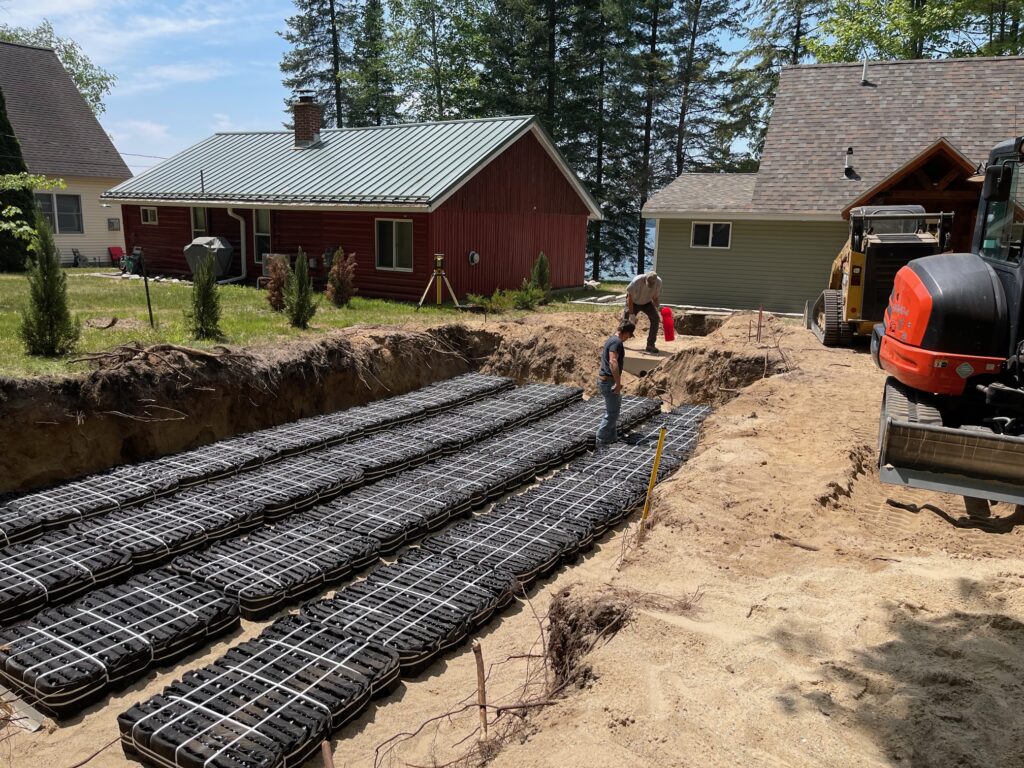
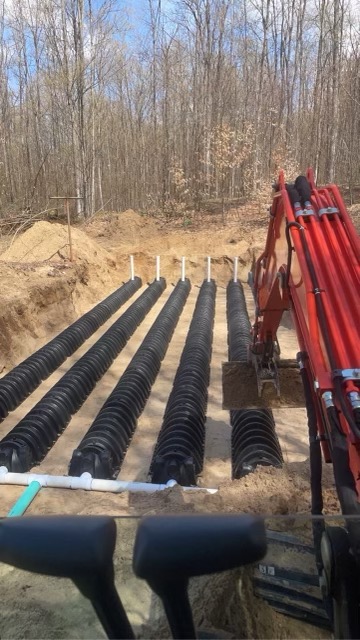
3. Protect Your Drain Field
Your drain field continues working throughout the winter, even when covered by snow.
To keep it functioning properly:
- Avoid driving or parking vehicles on the drain field.
- Keep heavy equipment off the area.
- Limit unnecessary foot traffic.
- Do not pile snow from plowing operations onto the drain field.
Compacted soil and damaged pipes can reduce the system's ability to properly treat wastewater.
4. Repair Leaky Faucets and Toilets
A dripping faucet or constantly running toilet may not seem like a big deal, but over time it can send hundreds of extra gallons of water into your septic system.
Reducing unnecessary water use helps prevent your system from becoming overloaded—especially during the winter months when frozen ground slows natural drainage.
5. Watch What Goes Down the Drain
The holidays often bring extra guests and increased kitchen activity, putting more strain on your septic system.
Avoid flushing or washing down items such as:
- Grease and cooking oil
- Coffee grounds
- Paper towels
- Disposable wipes (even those labeled "flushable")
- Feminine hygiene products
- Harsh chemicals or solvents
Keeping these materials out of your septic system helps prevent clogs and extends the life of your tank and drain field.
6. Direct Water Away From the Drain Field
Fall is also a good time to check your property's drainage.
Make sure:
- Gutters direct water away from the drain field.
- Downspouts discharge away from the septic area.
- Surface water isn't collecting over the drain field.
- Sump pumps are not draining into the septic system.
Excess water can oversaturate the soil, reducing the drain field's ability to treat wastewater effectively.
7. Leave Grass Over the Drain Field
It may be tempting to remove all vegetation before winter, but grass actually helps protect your drain field.
Grass:
- Helps prevent erosion
- Provides insulation
- Absorbs excess moisture
- Protects the soil structure
Avoid planting trees or shrubs near the drain field, as roots can damage underground pipes over time.
8. Know the Warning Signs of Septic Problems
Don't ignore small issues before winter arrives.
Call a professional if you notice:
- Slow drains throughout the home
- Toilets that frequently back up
- Gurgling sounds in plumbing
- Sewage odors outdoors
- Wet or unusually green areas over the drain field
These warning signs often indicate a problem that is much easier to address before freezing temperatures set in.
Why Fall Is the Best Time for Septic Maintenance
Winter weather can make septic repairs more challenging and, in some cases, more expensive. Frozen ground, snow cover, and limited access for heavy equipment can delay repairs when you need them most.
By scheduling inspections, pumping, or maintenance in the fall, you can:
- Reduce the risk of winter emergencies
- Extend the life of your septic system
- Protect your drain field
- Improve system performance
- Gain peace of mind before cold weather arrives
A little preventative maintenance now can save significant time, money, and stress later.
Trust EFS Building Services With Your Septic Needs
At EFS Building Services, we help homeowners throughout Kalkaska and the surrounding Northern Michigan communities keep their septic systems operating efficiently year-round.
Whether you need a septic inspection, excavation services, drain field work, or repairs, our experienced team is here to help you prepare your system for the changing seasons.
We're committed to providing dependable service and practical solutions that protect your home and your investment.
Schedule Your Fall Septic Service Today
Don't wait until frozen ground or a holiday gathering reveals a septic problem.
Contact EFS Building Services today to schedule your fall septic inspection or maintenance service. We'll help ensure your system is ready for winter so you can enjoy the season with confidence.